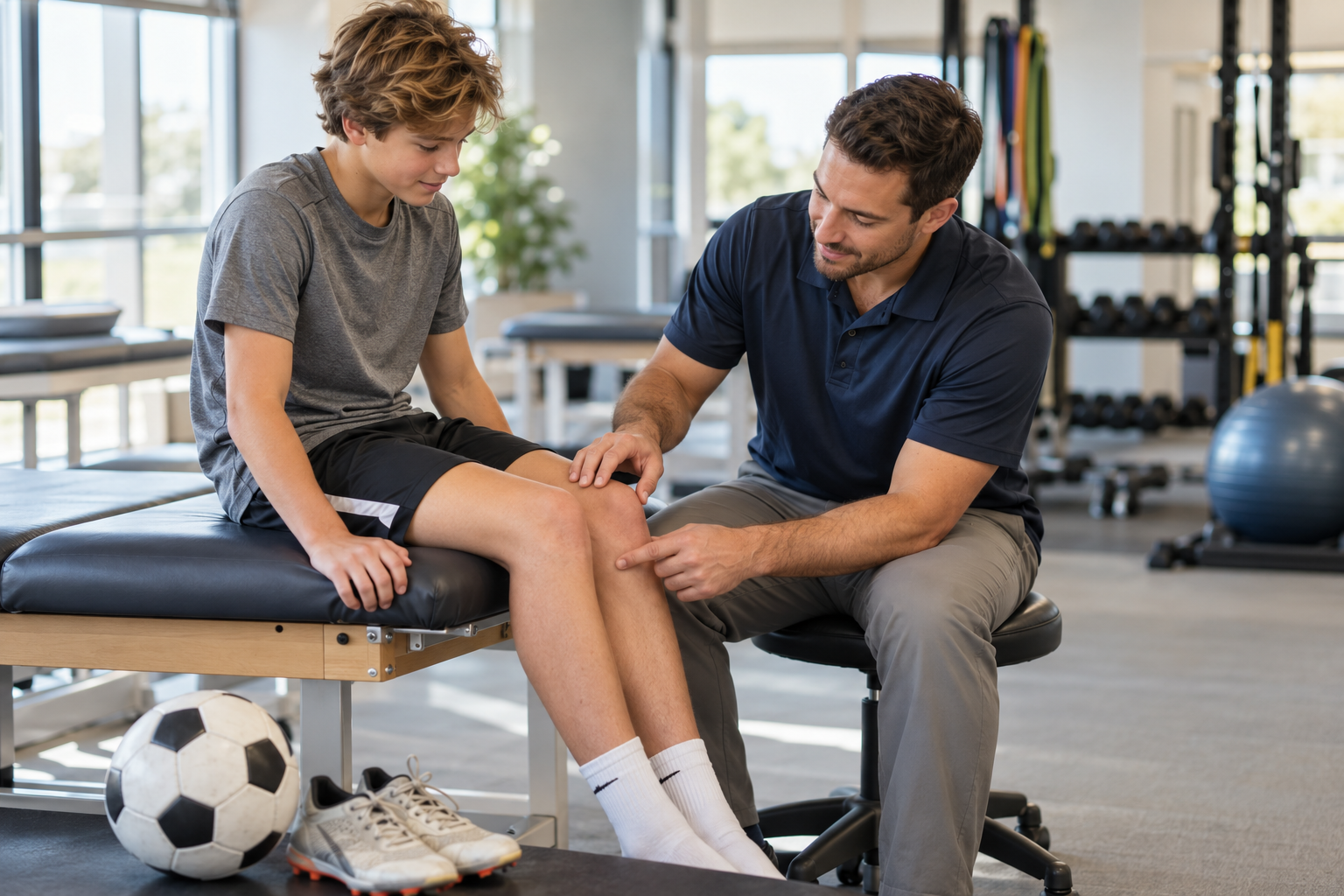
Rest helps, but the knee pain returns at practice. Learn how physical therapy helps young athletes manage Osgood-Schlatter and build back toward sports.
Read More
Rest helps, but the knee pain returns at practice. Learn how physical therapy helps young athletes manage Osgood-Schlatter and build back toward sports.
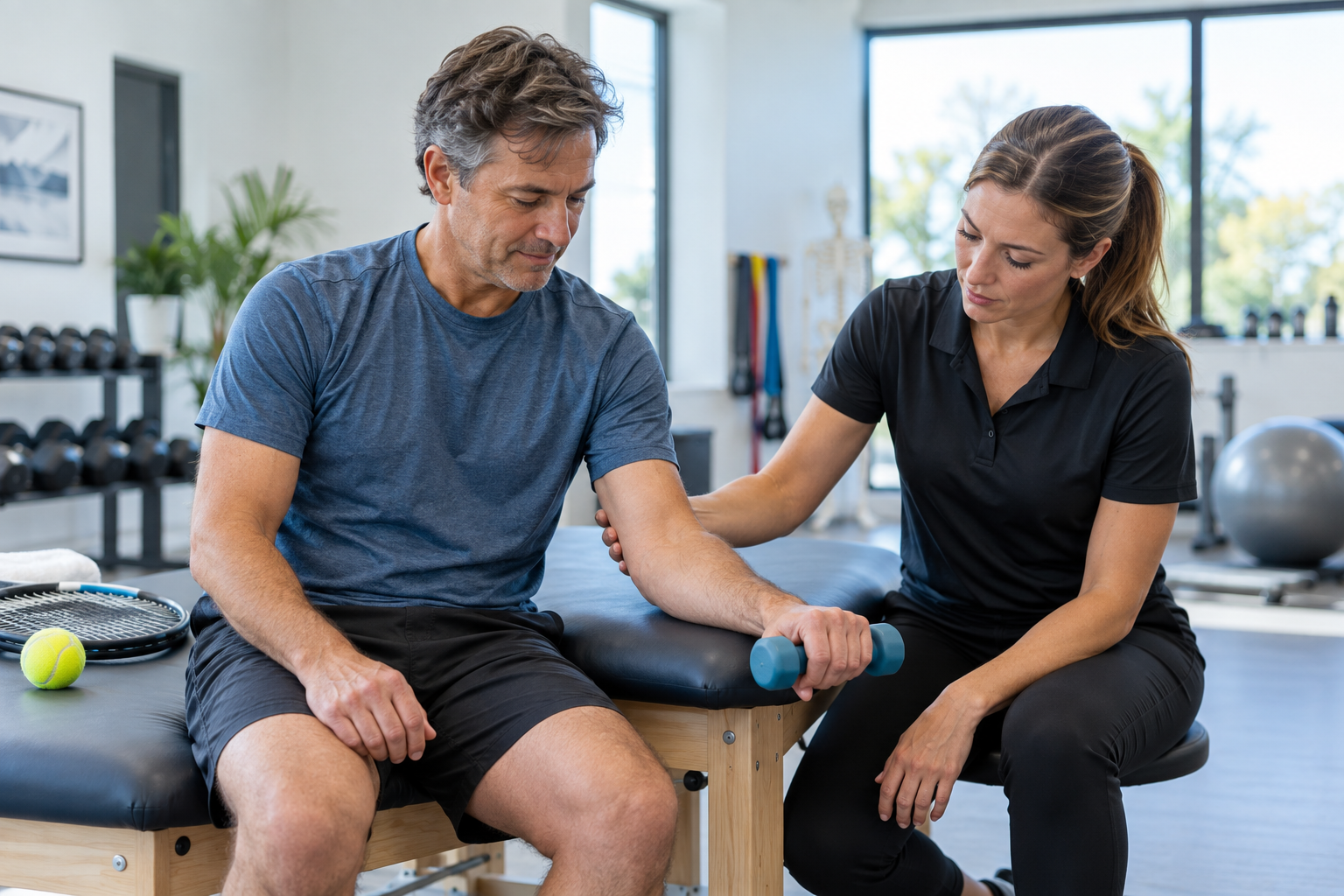
Read MoreTennis elbow often develops when wrist and forearm demands exceed what they can tolerate. Learn how progressive strengthening—and checking your neck and shoulder—helps guide recovery.
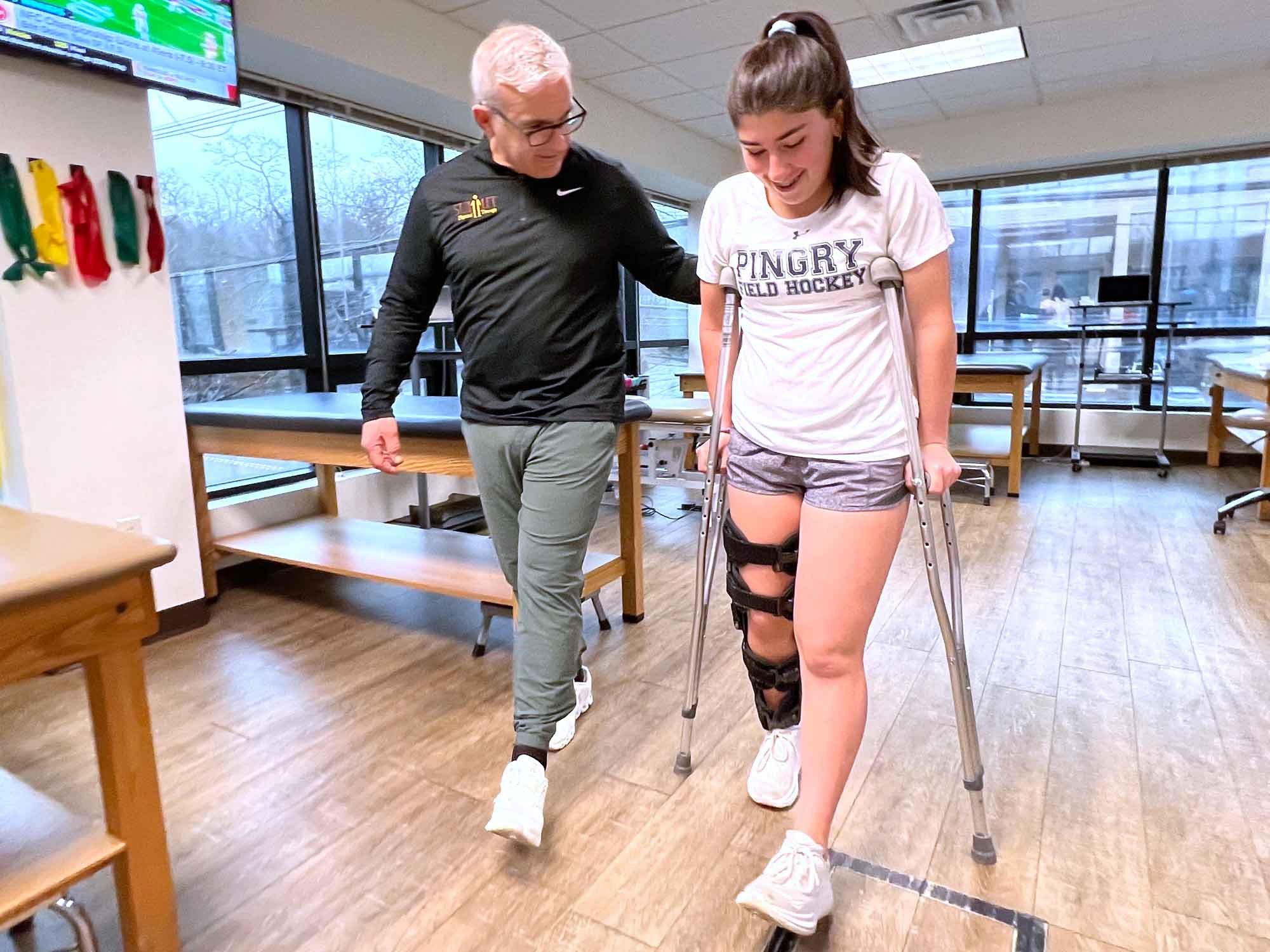
Read MoreYour surgeon’s protocol may list a date for running after knee surgery, but time alone does not prove that your knee is ready. Learn the strength, motion, swelling, and functional benchmarks we use after ACL reconstruction, meniscus surgery, MPFL reconstruction, cartilage procedures, and knee replacement.
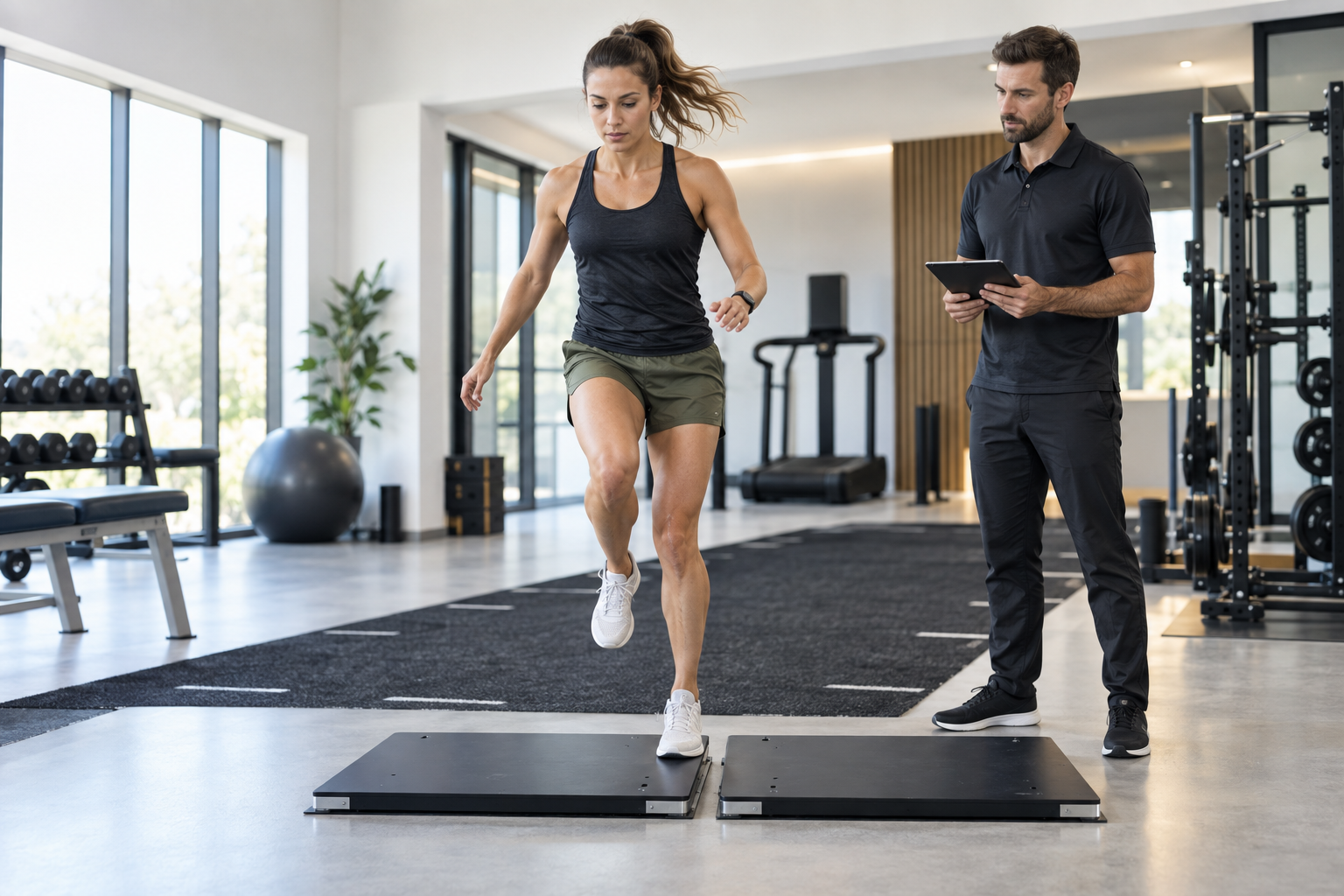
Read MoreQuad weakness can persist for months after ACL reconstruction. Learn why it happens, how advanced ACL rehab rebuilds quadriceps strength, and how objective strength testing can determine whether you're ready to progress.
Read MoreMeniscus root repair requires more than simply waiting for the knee to heal. Learn how advanced physical therapy progresses from protecting the repair to rebuilding strength, power, running, jumping, and the specific activities you want to return to.
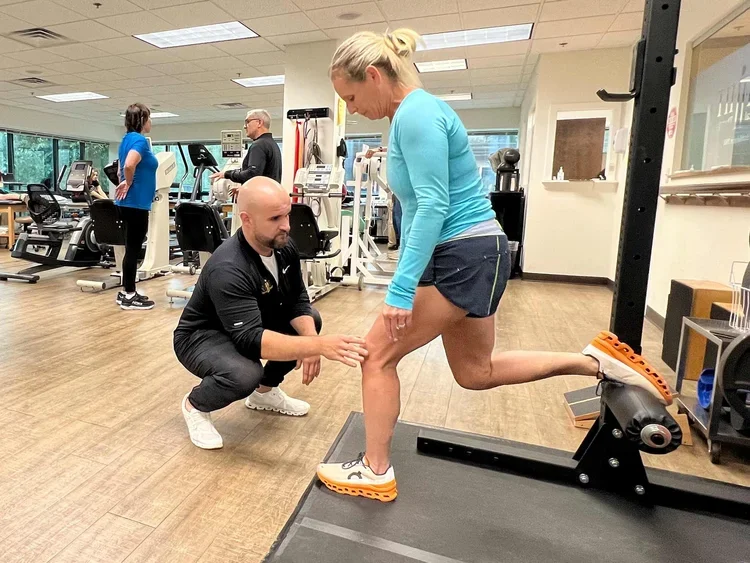
Read MoreFront of knee pain can make stairs, squatting, running, and exercise difficult. Learn what may be causing your knee pain and how physical therapy can restore mobility, strength, power, and confidence so you can return to the activities you enjoy.
Read MoreDoes the front of your knee hurt when playing tennis, going up and down stairs, squatting, or getting up from a chair? The answer usually isn’t simply to rest. A good rehabilitation program figures out why your knee is being overloaded and progressively builds your ability to tolerate the demands of tennis again.
Read MoreA rotator cuff tear doesn't always mean you need surgery. Learn how progressive physical therapy can reduce shoulder pain, rebuild strength, and help you return to lifting, sports, and everyday activities.
Read MoreDo you need physical therapy after an ankle sprain? Not always. Learn when an ankle sprain needs rehab and how physical therapy restores mobility, strength, balance, power, and confidence before returning to activity.
Read MoreAt Summit Physical Therapy, we believe your physical therapist should remain directly involved throughout your treatment. That’s why we don’t hand your care off to aides, technicians, interns, or assistants.
Read MoreAdvanced shoulder labrum repair rehab should do more than restore basic motion. Learn how criteria-based physical therapy progresses from protecting the repair to rebuilding strength, power, endurance, and sport-specific performance.
Read MoreThe biggest mistake after an ankle fracture is treating weight-bearing clearance as permission to walk and stand without limits. Learn how excessive activity can increase swelling, interfere with strengthening, and ultimately slow rehabilitation—and why rebuilding soleus strength is essential for tolerating more time on your feet.
Read MoreReturning to sport after Achilles tendon repair requires more than waiting for the tendon to heal. Learn how a criteria-based rehabilitation program restores mobility, calf strength, power, plyometric ability, and sport-specific durability.
Read MoreRecovery after hip labral repair should address more than the hip. A complete program rebuilds hip strength, core and pelvic control, balance, and endurance for everyday life.
Read MoreHip labral injuries in female runners are not always isolated hip problems. Pelvic floor dysfunction, diastasis recti, strength deficits, and poor pressure management can contribute to persistent symptoms—and are frequently overlooked during rehabilitation.
Read MoreGetting out of pain is only the beginning. High-level hip labrum rehab should objectively rebuild the strength, power, control, and durability you need for your sport.
Read More