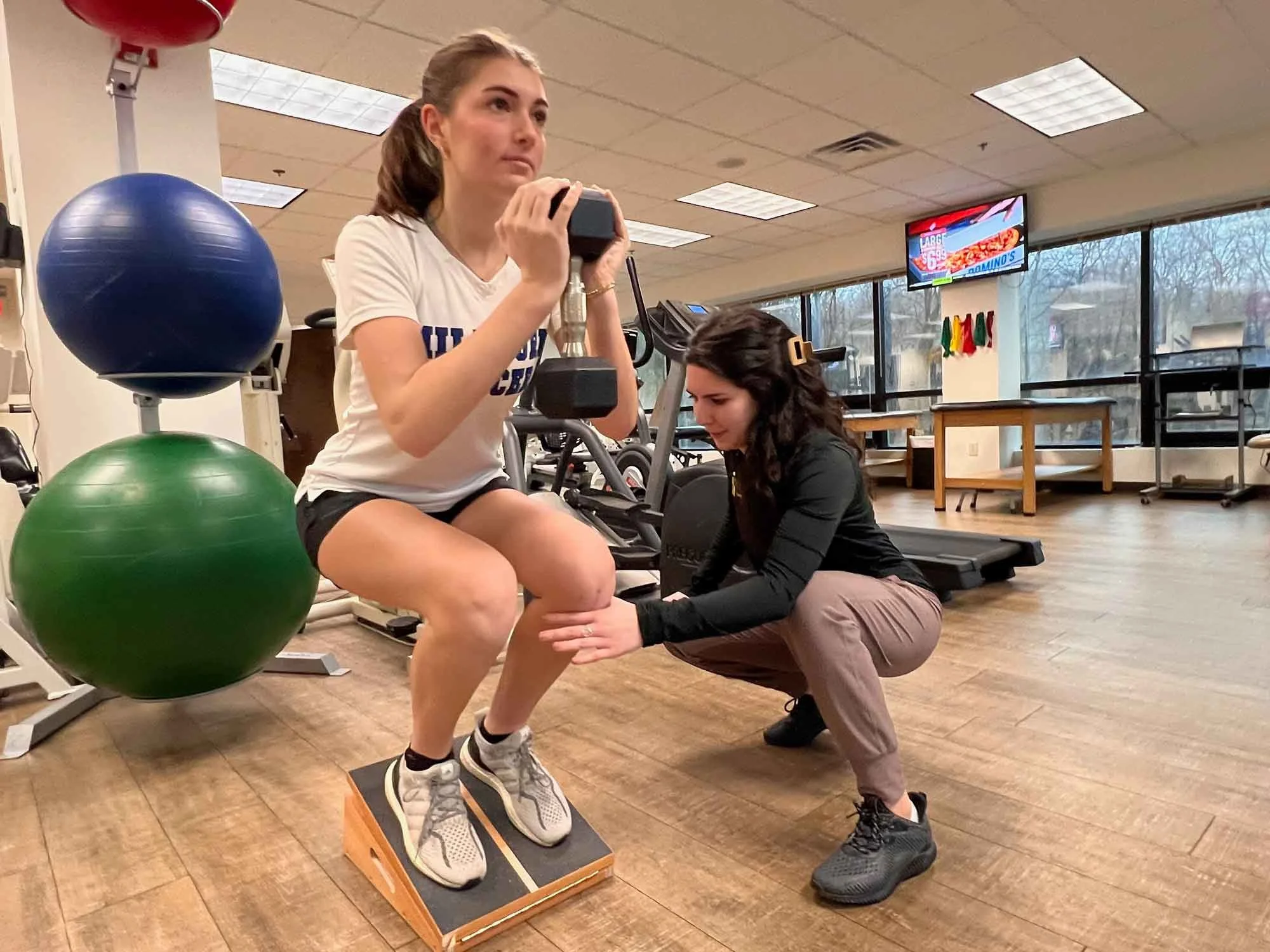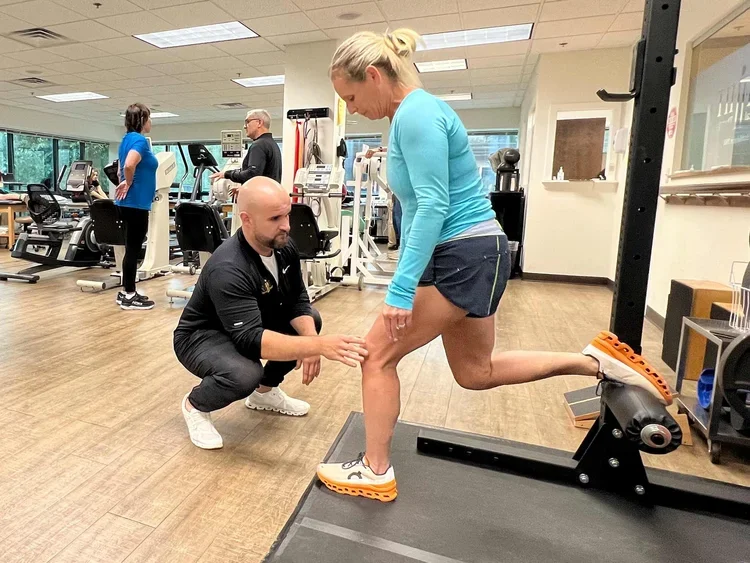
Hip labral injuries in female runners are not always isolated hip problems. Pelvic floor dysfunction, diastasis recti, strength deficits, and poor pressure management can contribute to persistent symptoms—and are frequently overlooked during rehabilitation.
Read MoreGetting out of pain is only the beginning. High-level hip labrum rehab should objectively rebuild the strength, power, control, and durability you need for your sport.
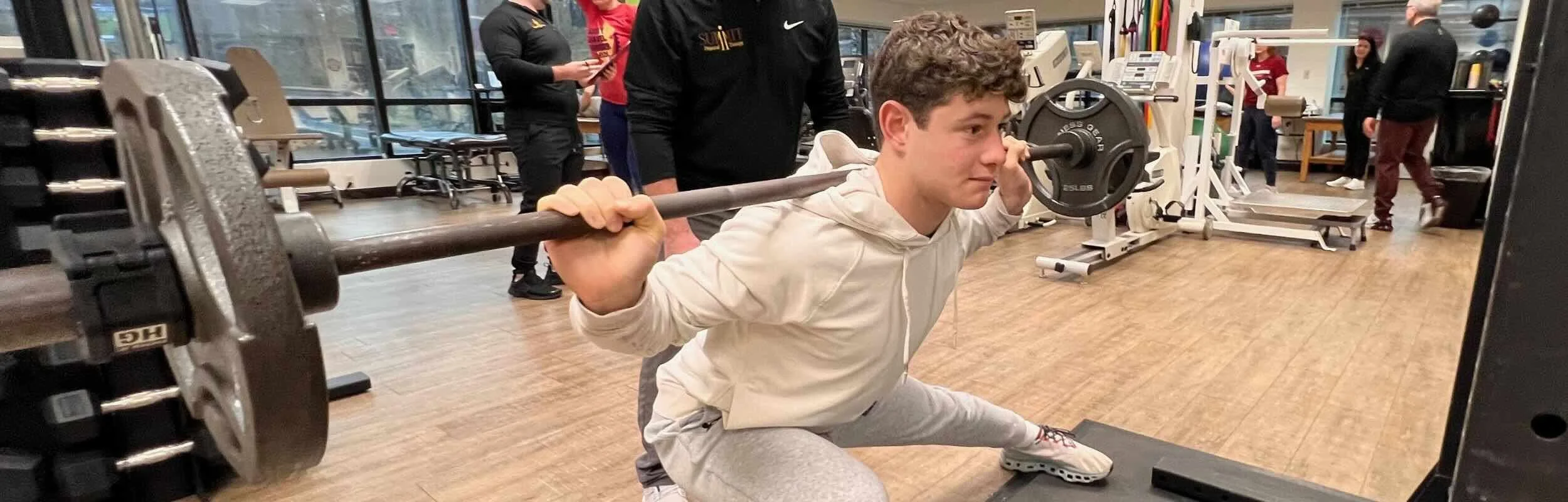
Read MoreLeaking during squats or deadlifts? Pelvic pressure when the weight gets heavier? Learn why pelvic floor symptoms can happen during strength training—and how pelvic floor PT can help you return to lifting confidently.
Read MoreLeaking urine during pickleball or tennis is common, but it doesn’t mean you have to stop playing. Learn why leakage happens during exercise and how pelvic floor physical therapy can help.
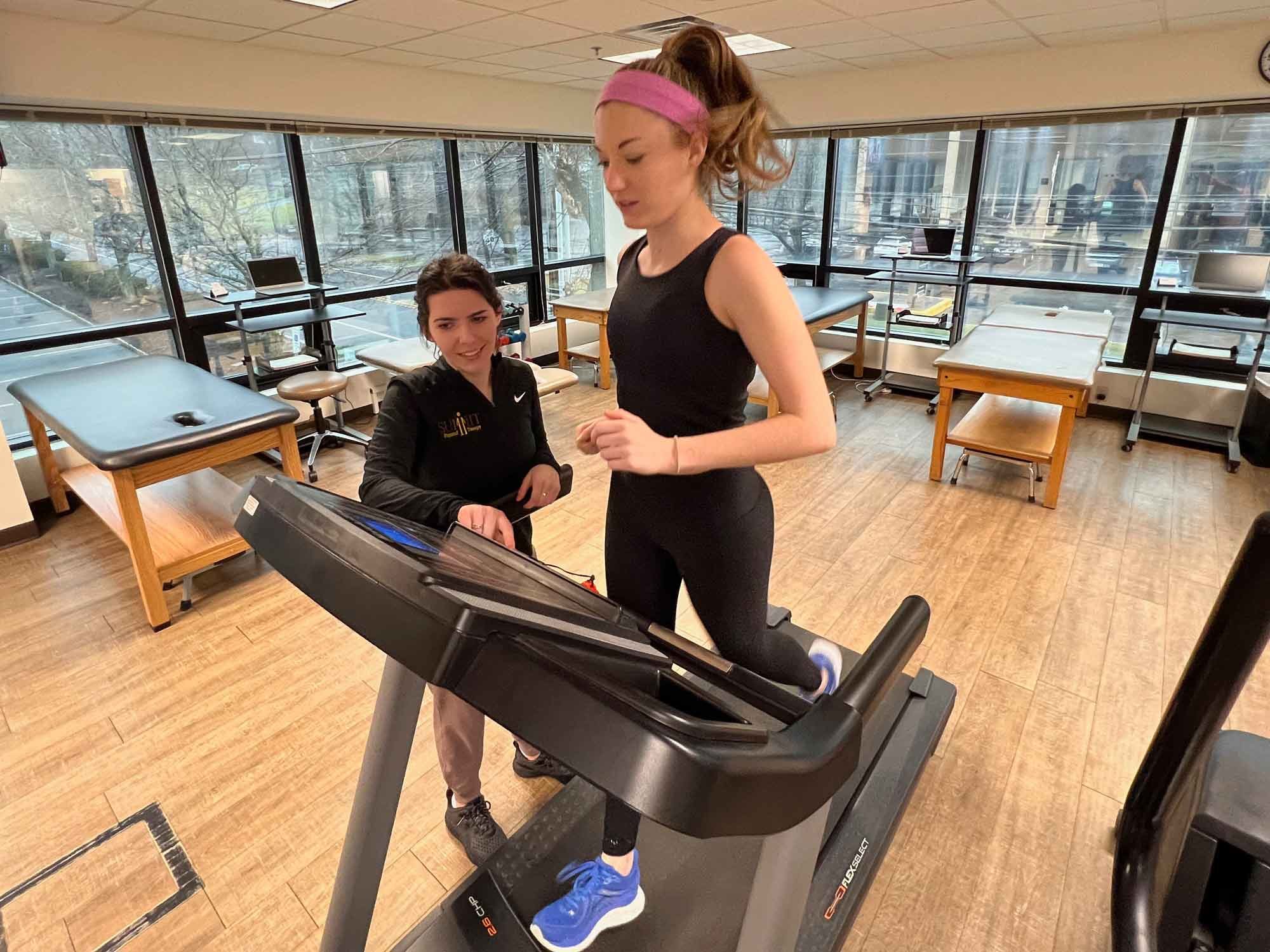
Read MorePelvic floor symptoms like leaking, urgency, or pelvic pressure can interfere with running—but they don't necessarily mean you need to stop. Learn how pelvic floor physical therapy can help runners identify the cause of their symptoms and build back to running.
Read MoreA meniscus tear doesn’t always mean knee surgery. Learn how physical therapy can address pain, mobility, strength, and movement to help you return to the activities you love.
Read MoreWhat is the pelvic floor? Understand its role in core stability, bladder control, and sexual function, plus exercises and therapy options for care.
Read MoreDiscover 5 effective pelvic floor physical therapy exercises beyond Kegels. Strengthen your core and improve pelvic health with expert techniques.
Read MoreExplore expert tips for ACL reconstruction recovery. Learn how to reduce swelling, strengthen muscles, and optimize your healing journey effectively.
Read MoreEnhance your dance turnout with expert tips on hip mobility, strength exercises, and proper technique to prevent injuries. Achieve optimal turnout safely.
Read MoreReturning to activity or sports after time off? Here are five tips to help reduce your risk of injury and ease back into doing what you love.
Read MoreIn this blog, Paul Coviello, PT, DPT covers the most common cycling injuries and shares solutions to getting you back on the bike—pain free.
Read MoreKnee pain is common in cycling due to the extensive movement the knee goes through during a ride. Cyclists commonly feel pain on the inside of their knee for a variety of reasons including muscular pain, arthritis, tendonitis, or even poor bike fit. Learn more about inner knee pain and how it can be resolved with various physical therapy techniques.
Read MoreCyclists may experience neck pain or hand numbness caused by muscle, joint, disc, and nerve injuries or even an improper bike fit. Learn more about neck pain or numbness when cycling, and how it can be resolved through physical therapy techniques.
Read MoreButtock pain is a common, frequently misdiagnosed issue impacting cyclists. Learn more about the causes of buttock pain in cycling and treatment options available through physical therapy.
Read MoreLow back pain is one of the most common ailments impacting cyclists. Learn more about the causes of low back pain in cycling and treatment options available through physical therapy.
Read MoreGroin and hip pain are rather common ailments in cyclists, frequently compounded with low back or knee pain. Learn more about the causes of groin and hip pain in cycling and treatment options available through physical therapy.
Read MoreFront of knee pain, also known as anterior knee pain, is common in cycling due to the amount of use the knee goes through during a ride. Learn more about the causes of anterior knee pain in cycling and treatment options available through physical therapy.
Read MoreChances are you have had PT at some point in your life, perhaps for your back, knee, or shoulder issues. But physical therapy is also an extremely effective way to treat several other surprising ailments including headaches, arthritis, vertigo, jaw pain, and pre/postpartum orthopedic issues.
Read MorePickleball is an easy sport to play, but that doesn't mean it’s easy on the body. Side-to-side movements, rotational movements, and sudden stops are all part of this highly enjoyable game, but they can cause strain or injury if you're not used to them.
Read More